“WE ARE THE ONES”
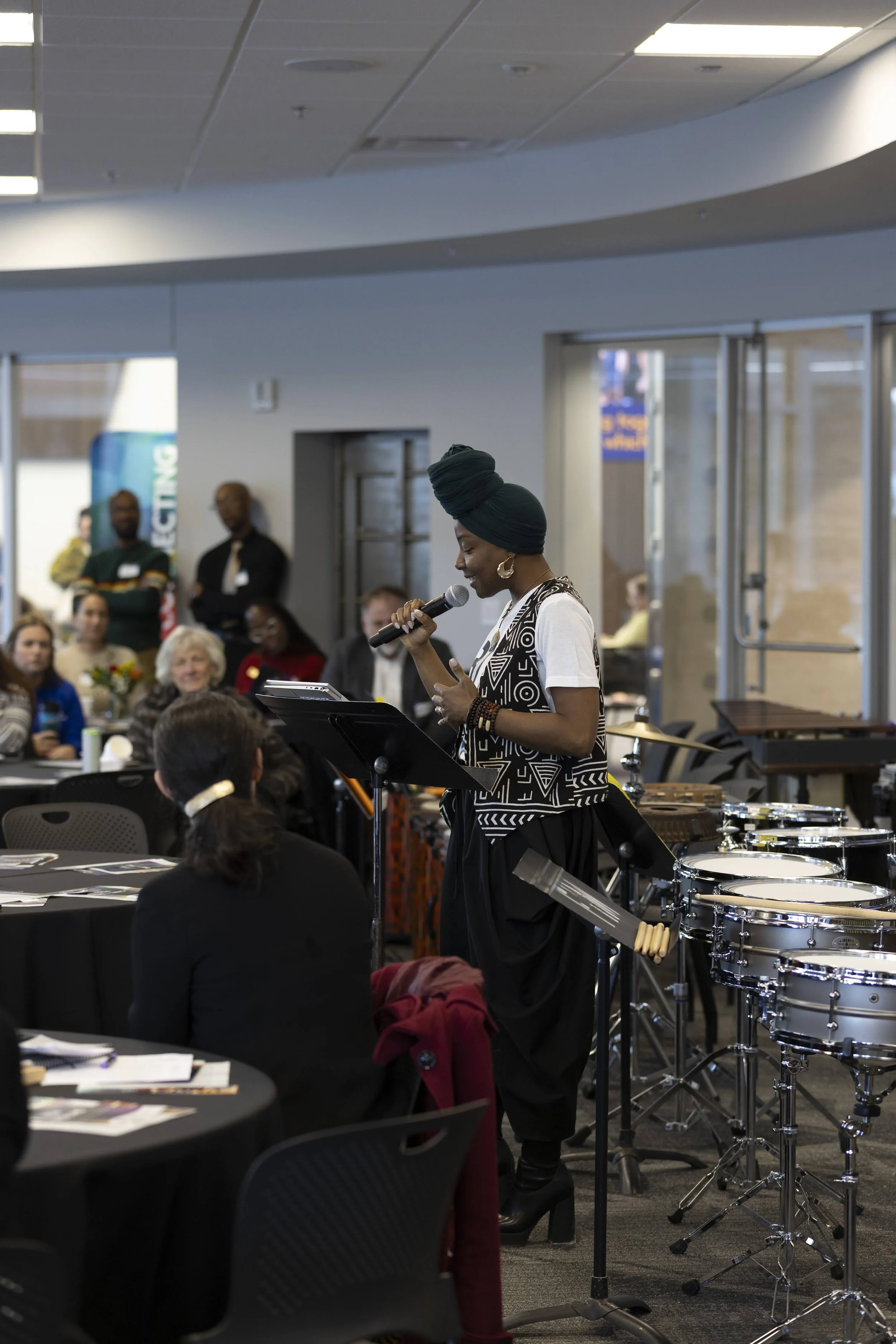
The following narrative reflection was commissioned by the Community Foundation of Greater Flint and performed live during the National Day of Racial Healing in Flint, Michigan. I was tasked with composing in real time, listening for the spirit of the room and shaping language that reflected the themes of racial healing, justice, and shared responsibility. Spoken throughout the event, the poem became a shared effort, formed through attentive witnessing of the conversations taking place and guided by the facilitators’ intentions. What emerged was a beautiful reminder, a poetic set of meeting minutes that honored the collective presence in the room and named why we came.
Photography by Jessica Hatter Photography
Context Summary
Intended Audience: Community members, nonprofit leaders, organizers, educators, advocates, and participants attending the National Day of Racial Healing hosted by the Community Foundation of Greater Flint.
Purpose: To document and reflect upon the themes, conversations, and collective insights that emerged during the gathering while exploring the role of racial healing, truth-telling, and relationship-building in creating social change.
My Role: Commissioned writer and performer. I attended the event as a narrative observer, listening to speakers, participants, facilitators, and performances throughout the day. Drawing from those observations, I synthesized the event's key themes into an original piece that was later adapted into this reflective essay.
Collaborators: Community Foundation of Greater Flint, event facilitators, speakers, artists, youth performers, and participants whose stories, reflections, and contributions informed the narrative.
Impact: Originally performed as a live narrative reflection, this piece served as a collective record of the gathering and helped participants see connections between individual experiences, community healing, and broader efforts toward racial justice. The essay adaptation demonstrates how narrative synthesis can transform real-time observations into a shared story that invites reflection, connection, and action.
I arrived just before 8 a.m.
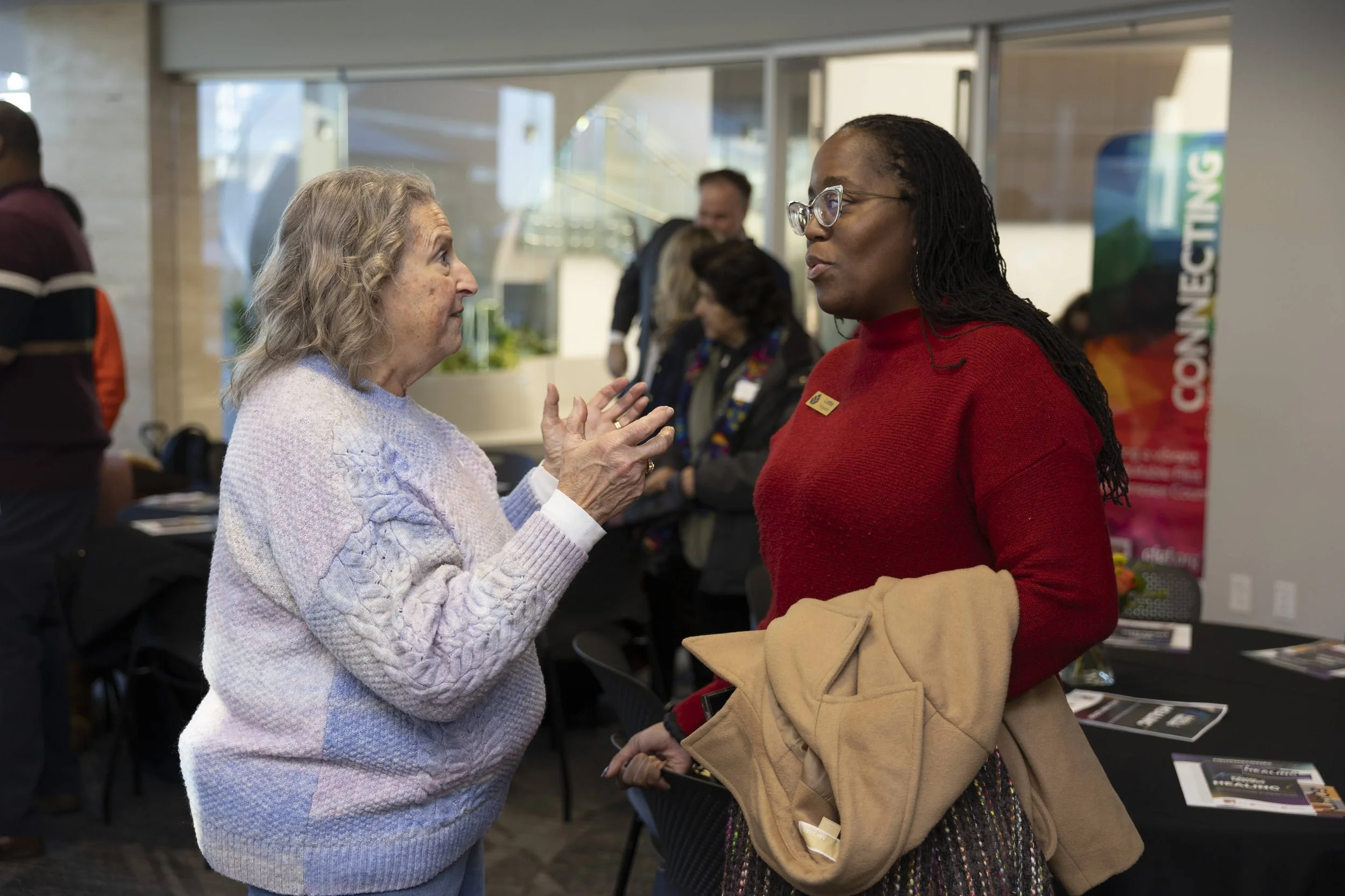
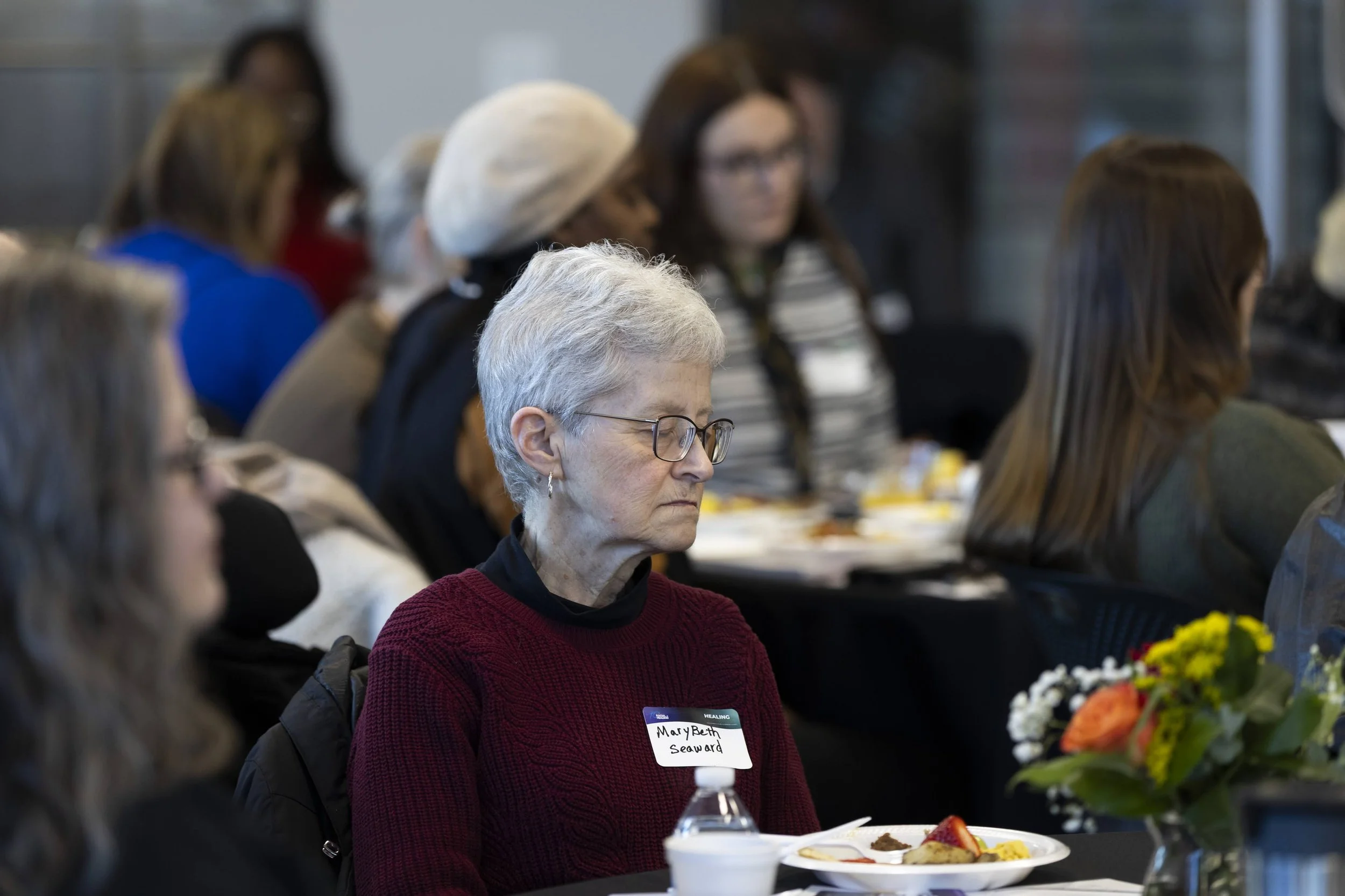
The coffee was already brewing. Volunteers moved through the room making final preparations. People seemed anxious, excited, curious, and willing to help. Before the official program began, there was already a shared understanding that everyone had made a decision to be there. Everyone was present. Everyone smiled.
As the morning unfolded, food found its place on tables, paintings appeared in the corners of the room, and a familiar playlist warmed the atmosphere. Guests arrived in winter coats and cozy hats. Handshakes turned into hugs. Small silos began to dissolve.
The work of racial healing often begins this way: not with policy, but with presence.
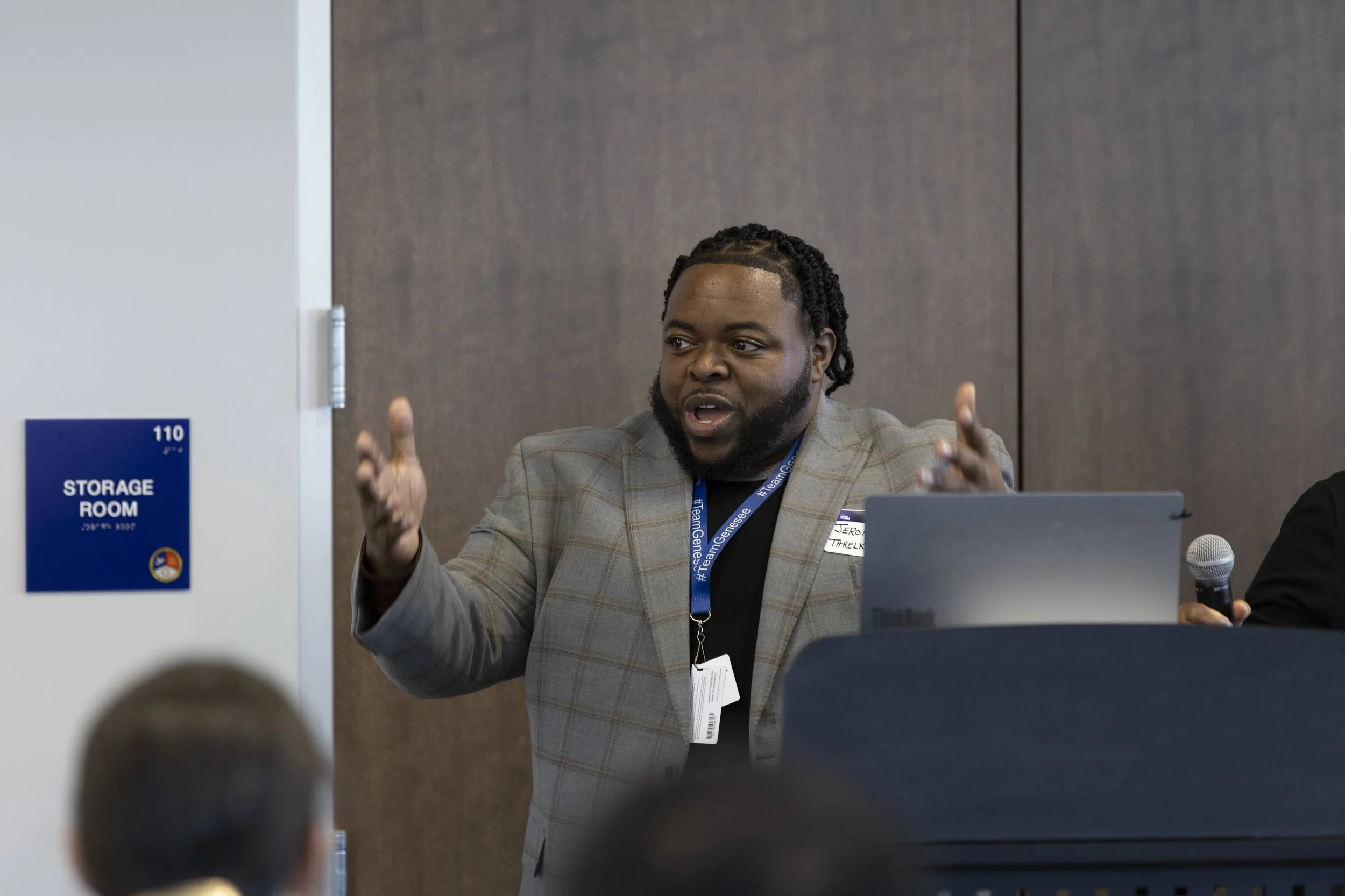
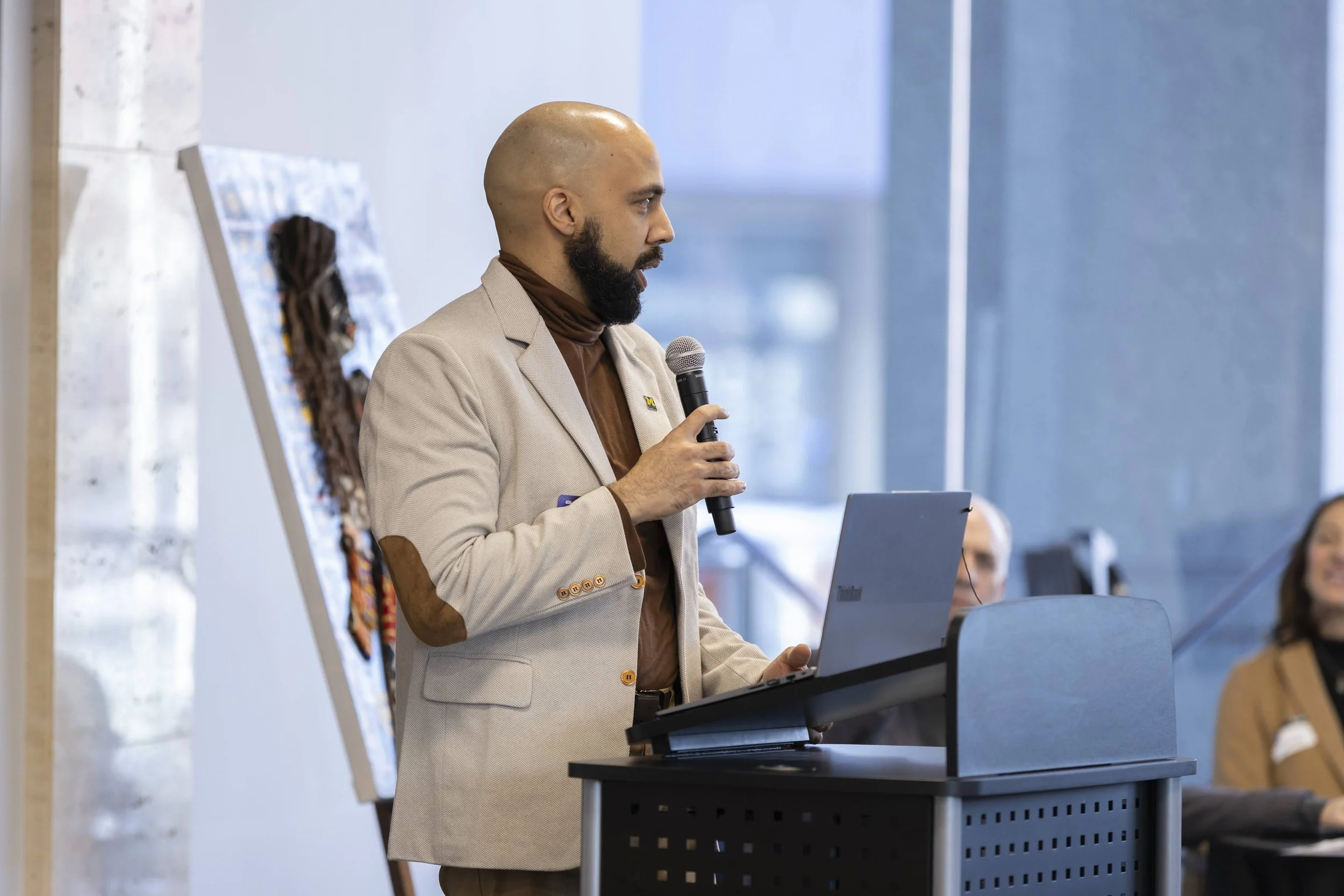
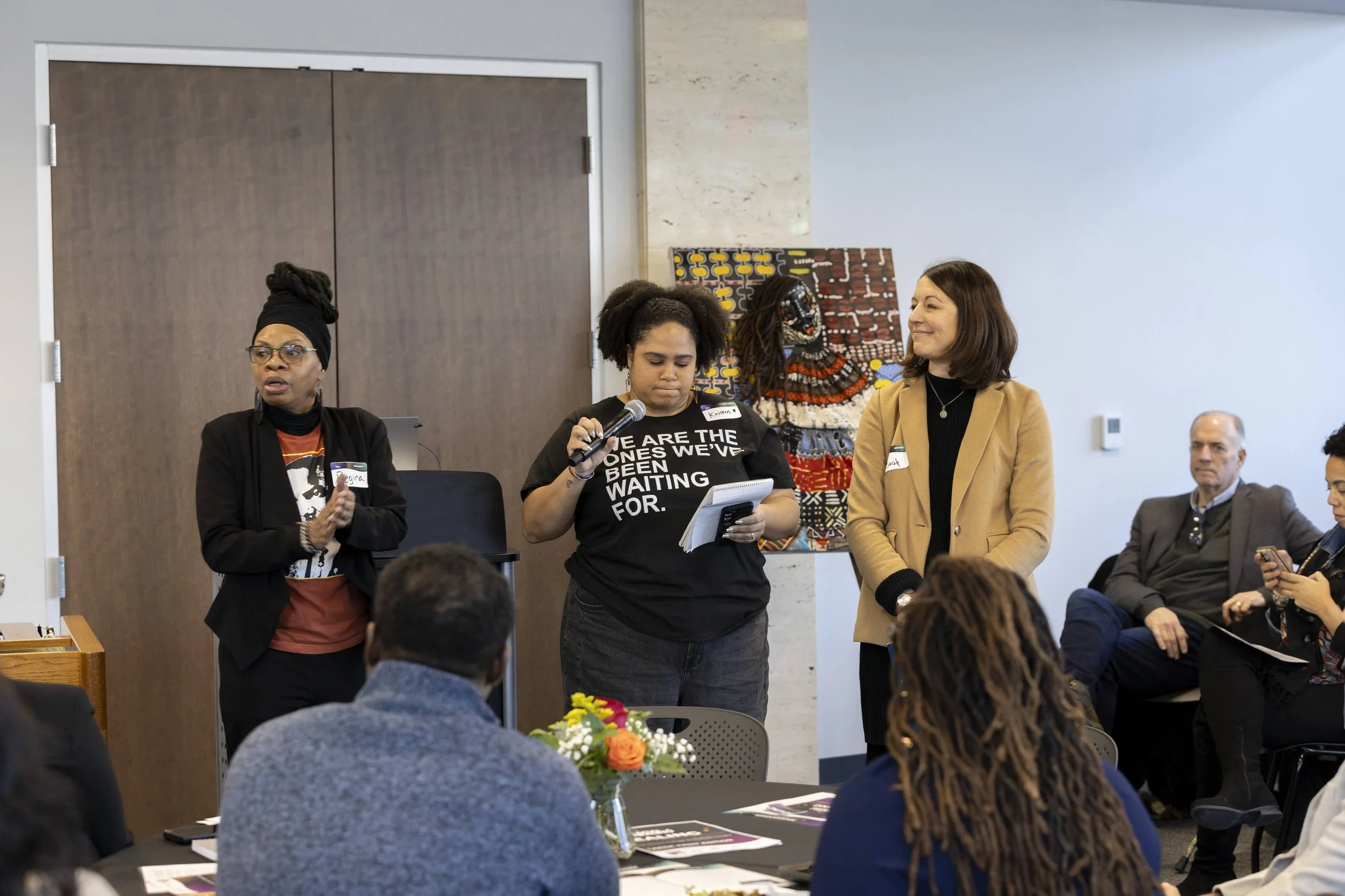
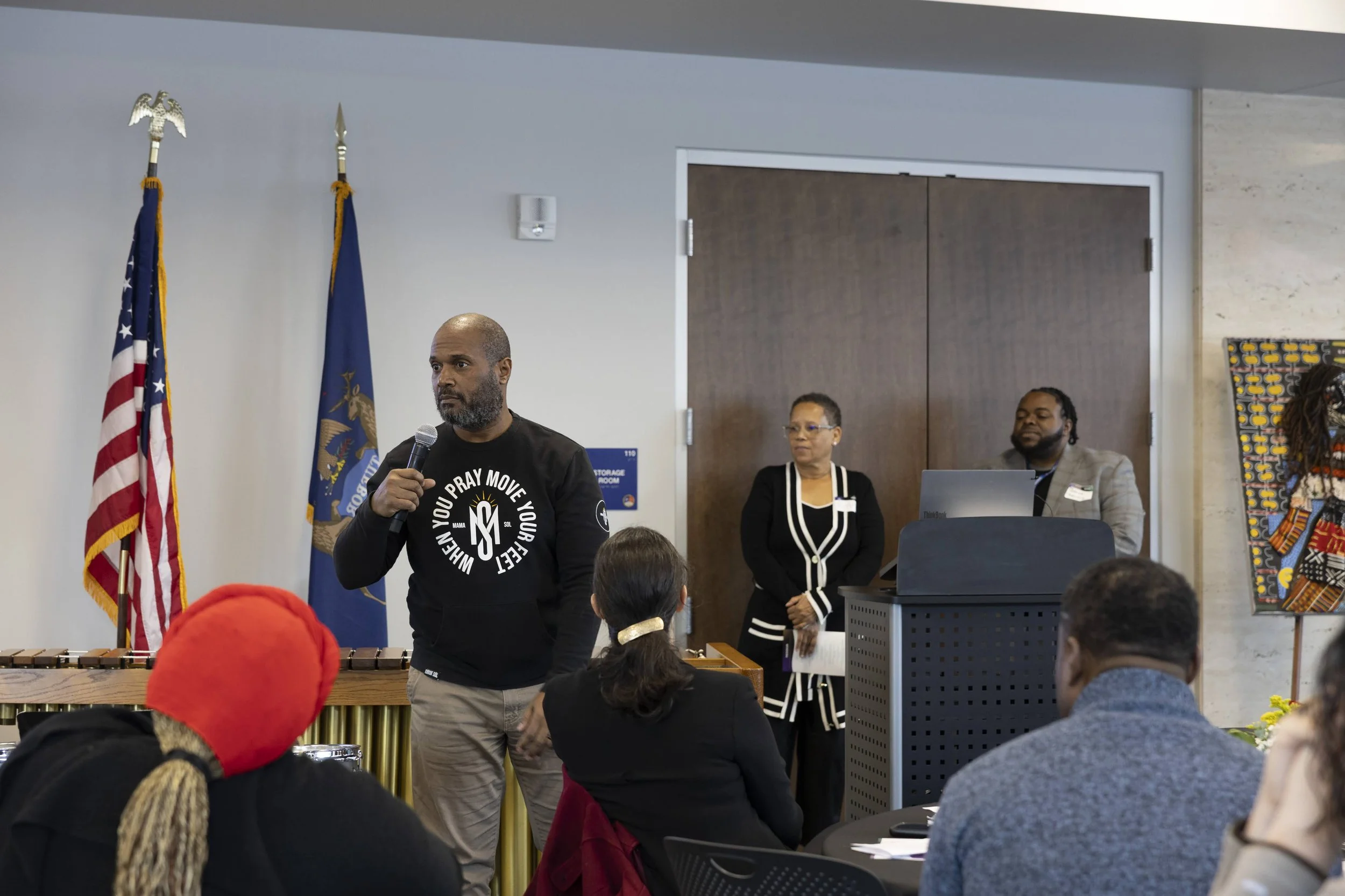
The program invited participants into a series of conversations about race, belonging, justice, and responsibility. Jerome welcomed us with a simple good morning, grounding us in the choice we had all made to gather. Lynn offered poetry that reminded us who we came prepared to be, regardless of who might fail to understand the importance of the work. Elizabeth reflected on the significance of firsts and continued the questions raised during Martin Luther King Jr. Day celebrations the day before: Where do we go from here?
That question remained with us throughout the day.
Stories emerged about race, Indigenous communities, and the ongoing effort to address inequity within both institutions and neighborhoods. Again and again, participants returned to the importance of relationships. The work was described not simply as policy work or organizational work, but heart work. People work.
One thing became evident quickly: this was a room that only clapped for truth.
People applauded honesty. They acknowledged those willing to speak truth to power, whether they held formal authority or not. Even when the microphone stopped working, the moment felt strangely symbolic. Progress is rarely smooth. Systems fail. Technology breaks. Conversations become uncomfortable. Yet the room did what communities often do in moments of disruption: it laughed, adjusted, and continued.
The deeper the conversations became, the more apparent it was that people were wrestling with a shared question: How do we build a future together while carrying different histories, experiences, and wounds?
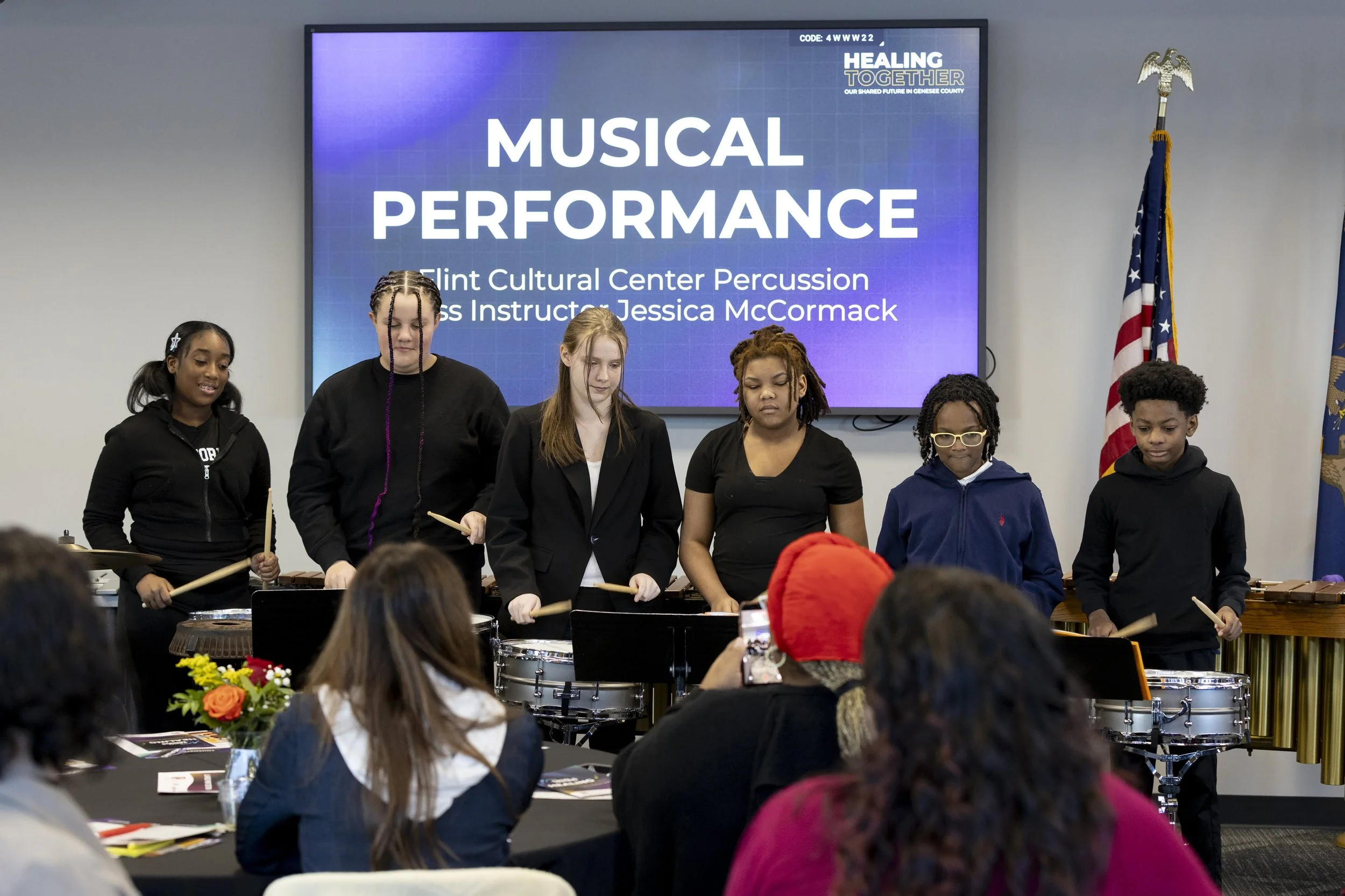
Part of the answer arrived through rhythm.
Young people entered the space carrying the energy of marches and movements. The sound of djembes echoed through the room, reminding us that one beat is powerful, but many beats together create something larger. The drums sounded like heartbeats. They sounded like memory. They sounded like ancestors refusing to be forgotten.
Throughout the day, speakers invited participants to think critically about accountability, privilege, land, labor, and belonging. They challenged us to return to our bodies, to sit with discomfort, and to resist the temptation to rush toward easy answers.
Perhaps the most powerful lesson was that racial healing is not a destination. It is a practice.
It is the practice of listening.
The practice of telling the truth.
The practice of remaining present when conversations become difficult.
The practice of building relationships strong enough to hold disagreement, complexity, and change.
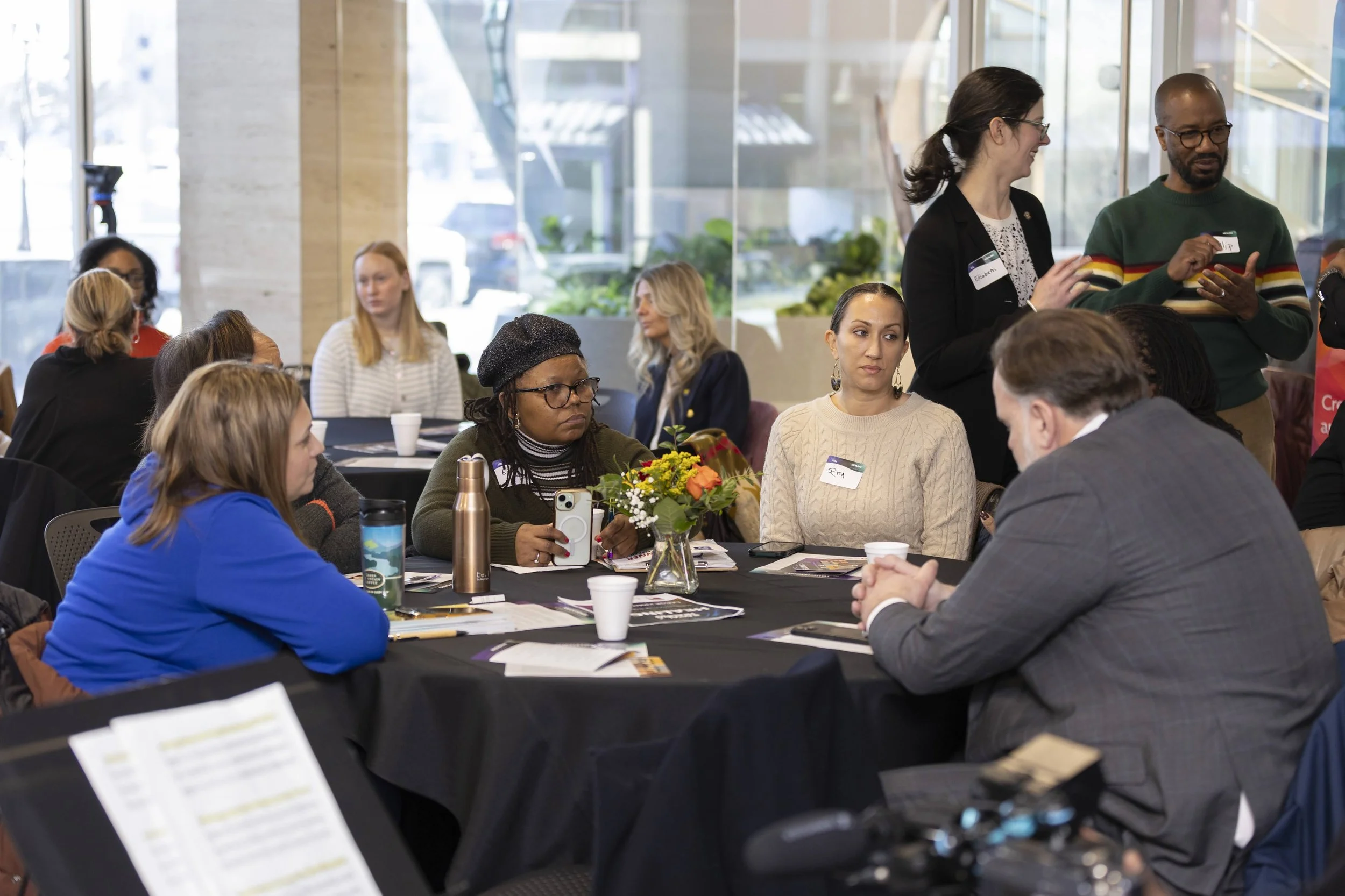
As the gathering continued, another realization emerged. The agenda itself had been carefully curated to move participants deeper into relationship with one another. Like mycelium beneath a forest floor, connections stretched invisibly beneath the tables. People who had arrived as strangers were beginning to recognize themselves in one another's stories.
The work happening in the room was not abstract.
It was real-time work.
It required observing, connecting, questioning, and responding. It required making space for emerging elders, new leaders, disruptors, and truth tellers. It required imagining beloved community not as an idealized future but as a practice that must be renewed again and again.
By the end of the day, one message remained clear.
We are the ones.
We are the ones who continue to show up.
We are the ones willing to sit at the table.
We are the ones challenging assumptions and dispelling myths.
We are the ones choosing wonder over despair.
We are the ones doing the work.
The impact of that work may not always be immediately visible. It may not always be acknowledged by those outside the room. Yet the conversations, relationships, and commitments formed in spaces like these have a way of extending far beyond a single gathering.
Even when the impact cannot yet be measured, it can be felt.
And if the participants in that room taught us anything, it is this:
The future we are waiting for will not arrive on its own.
We are the ones who must create it.