CASE STUDY (IN DEVELOPMENT) - Baba Juke™ – Honoring the Musical Legacy of Music Dads and Daughters
Founder and Creator: Brittini Ward
Studio: Eye N Eye™
Curatorial Partnership: Omo Misha, Irwin House Art Gallery
Community Partner: Brilliant Detroit
Funding Support: Culture Source Creators of Culture Grant, Wayne Metro Community Beautification Grant
Location: Detroit, Michigan
Projected Exhibition Opening: June 2026
Overview
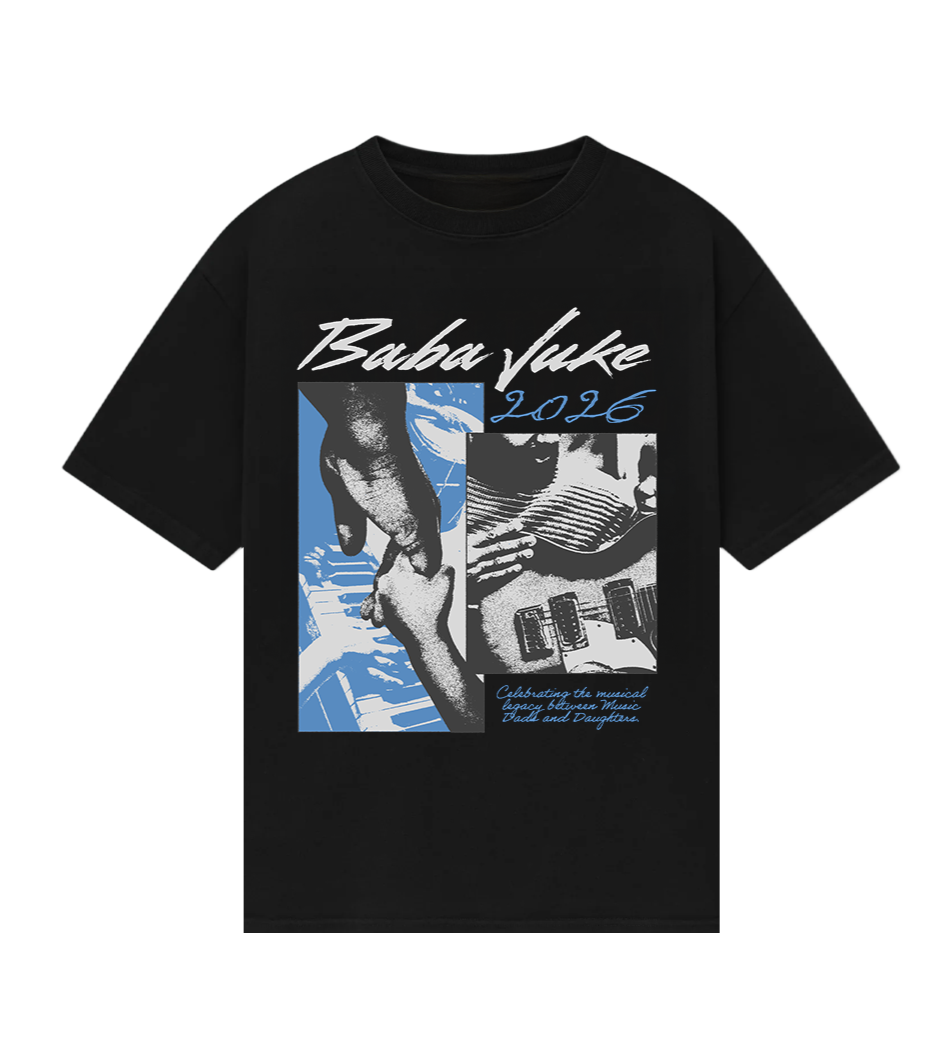
Baba Juke™ is a storytelling and cultural preservation project created by Detroit artist and storyteller Brittini Ward that documents the musical relationships between fathers and their daughters.
Through oral history interviews, photography, musical artifacts, and community storytelling, the project preserves the lived experiences of families whose musical traditions have shaped Detroit’s creative and cultural landscape.
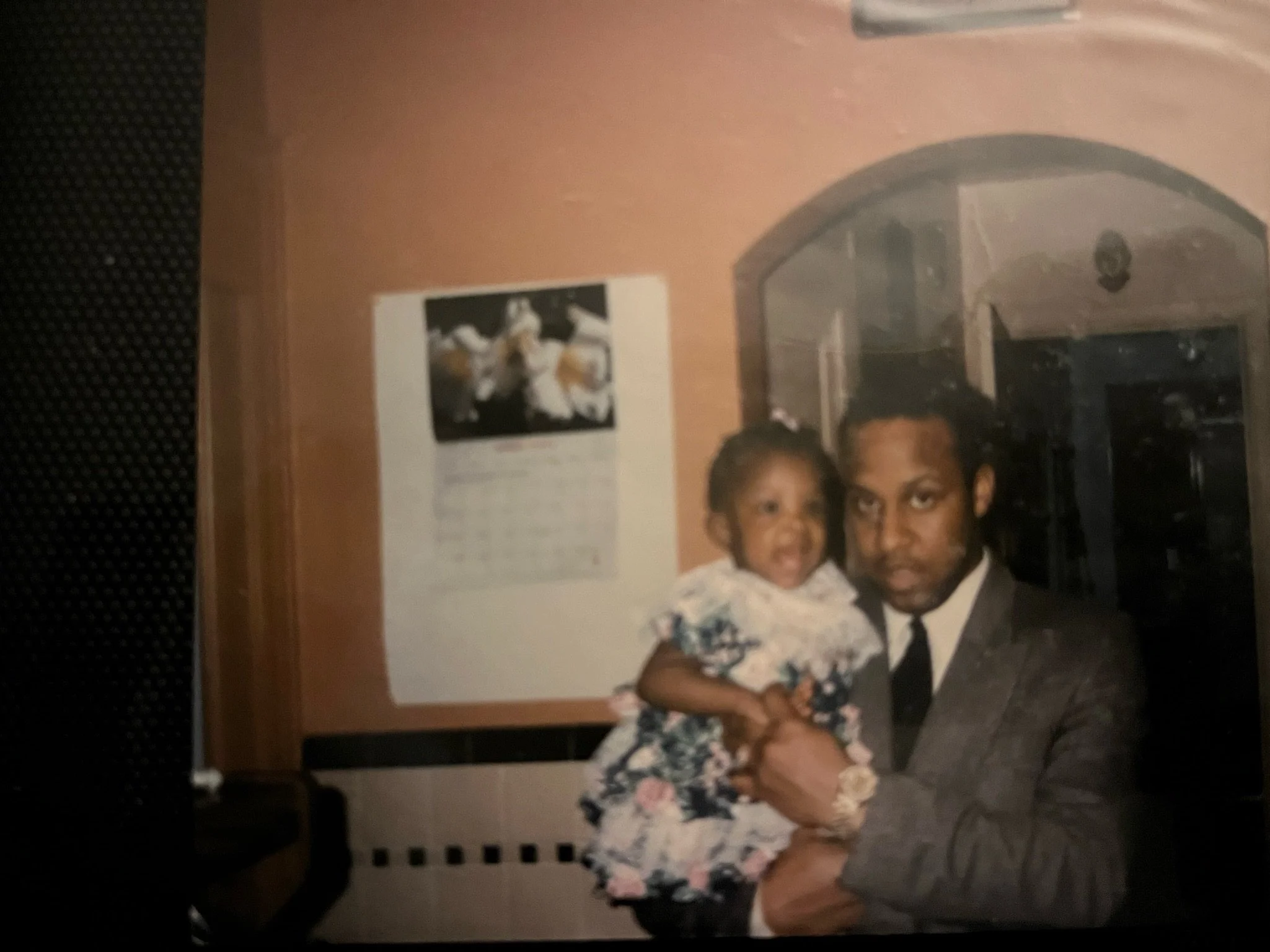
What began as a personal tribute to Ward’s late father, Lamarr Ward, has grown into an evolving cultural archive that honors the influence of “music dads” whose passion for sound, rhythm, and artistic expression helped cultivate the creative lives of their daughters.
The project explores how music moves through families as legacy, mentorship, and love. By documenting these stories while the elders who carry them are still alive, Baba Juke™ preserves a vital part of Detroit’s cultural memory.
Through exhibitions, workshops, and collaborative storytelling, Baba Juke™ positions these relationships not only as personal narratives but as cultural inheritance.
Vision and Purpose
Baba Juke™ was born from grief, remembrance, and gratitude.
Following the passing of her father Lamarr Ward, Brittini began reflecting on the role music played in their relationship and how deeply his influence shaped her creative life.
As conversations with other artists unfolded, she discovered that many daughters carried similar stories of musical inheritance. Fathers who taught them rhythm, introduced them to instruments, shared records, brought them to rehearsals, or simply filled their homes with sound.
Yet these stories were rarely documented or publicly honored.
Baba Juke™ exists to change that.
The project seeks to document the ways music fathers shape artistic identity, emotional development, and cultural continuity within families.
At its heart, Baba Juke™ is both a tribute and a cultural intervention. It uplifts the often unspoken influence of fathers within artistic lineages while preserving stories that might otherwise fade with time.
Ward describes the project simply.
“Baba Juke™ is always growing note by note.”
Core Story
The core story of Baba Juke™ centers on the transmission of music across generations.
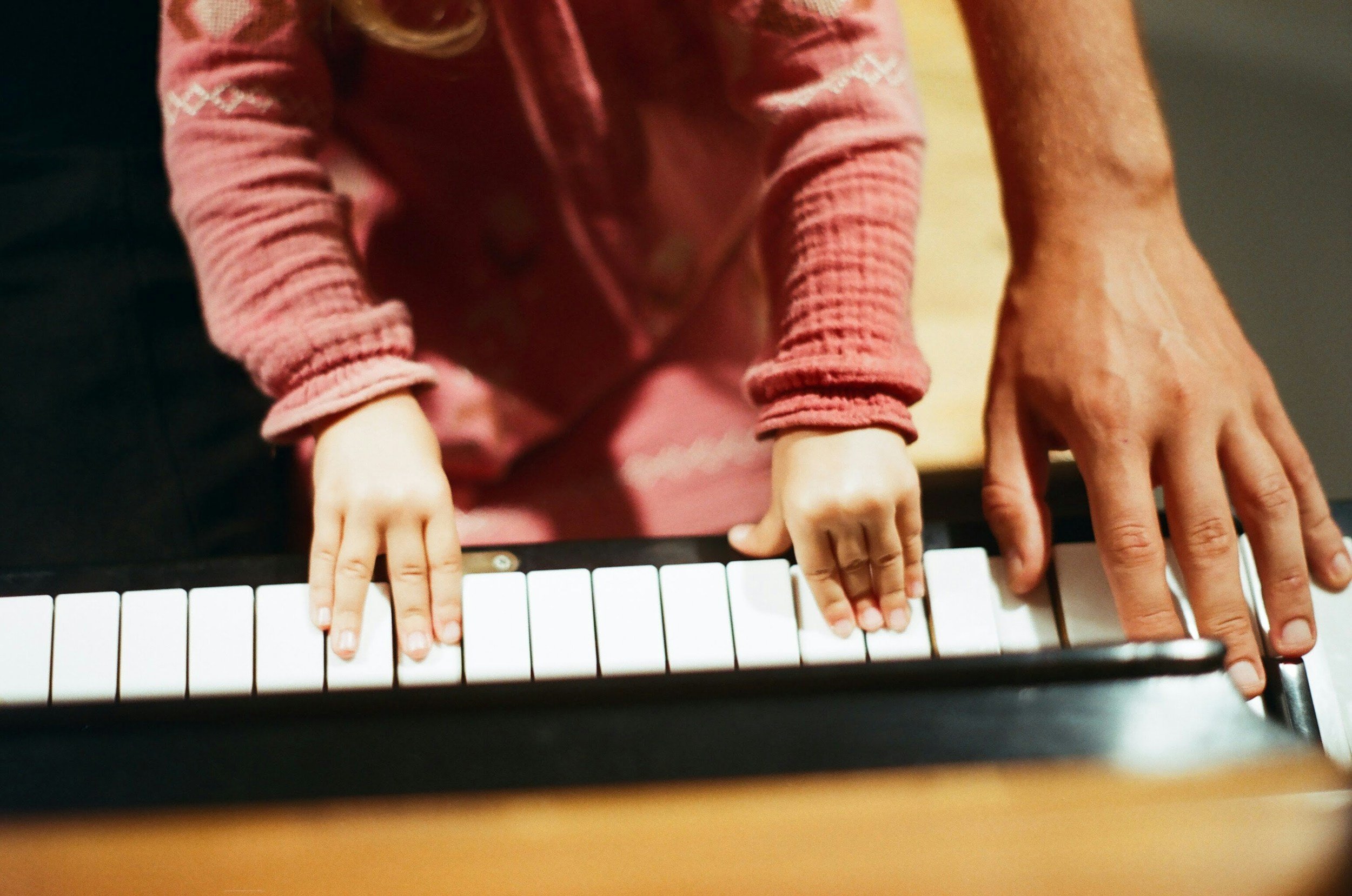
Fathers passing instruments to daughters.
Daughters discovering their voices through the sounds that filled their childhood homes.
Musical traditions moving through kitchens, car rides, rehearsals, studios, and living rooms.
These stories reveal how music functions not only as art but as relationship.
For many daughters, their first experience of rhythm, stage presence, and creative confidence began with their fathers. In some cases the fathers were professional musicians. In others they were community artists, DJs, collectors, or passionate listeners who made music part of daily life.
By documenting these stories, Baba Juke™ reframes fatherhood as a powerful force within creative ecosystems.
The archive honors both celebrated musicians and everyday fathers whose musical influence shaped the artists their daughters would become.
Archive in Progress
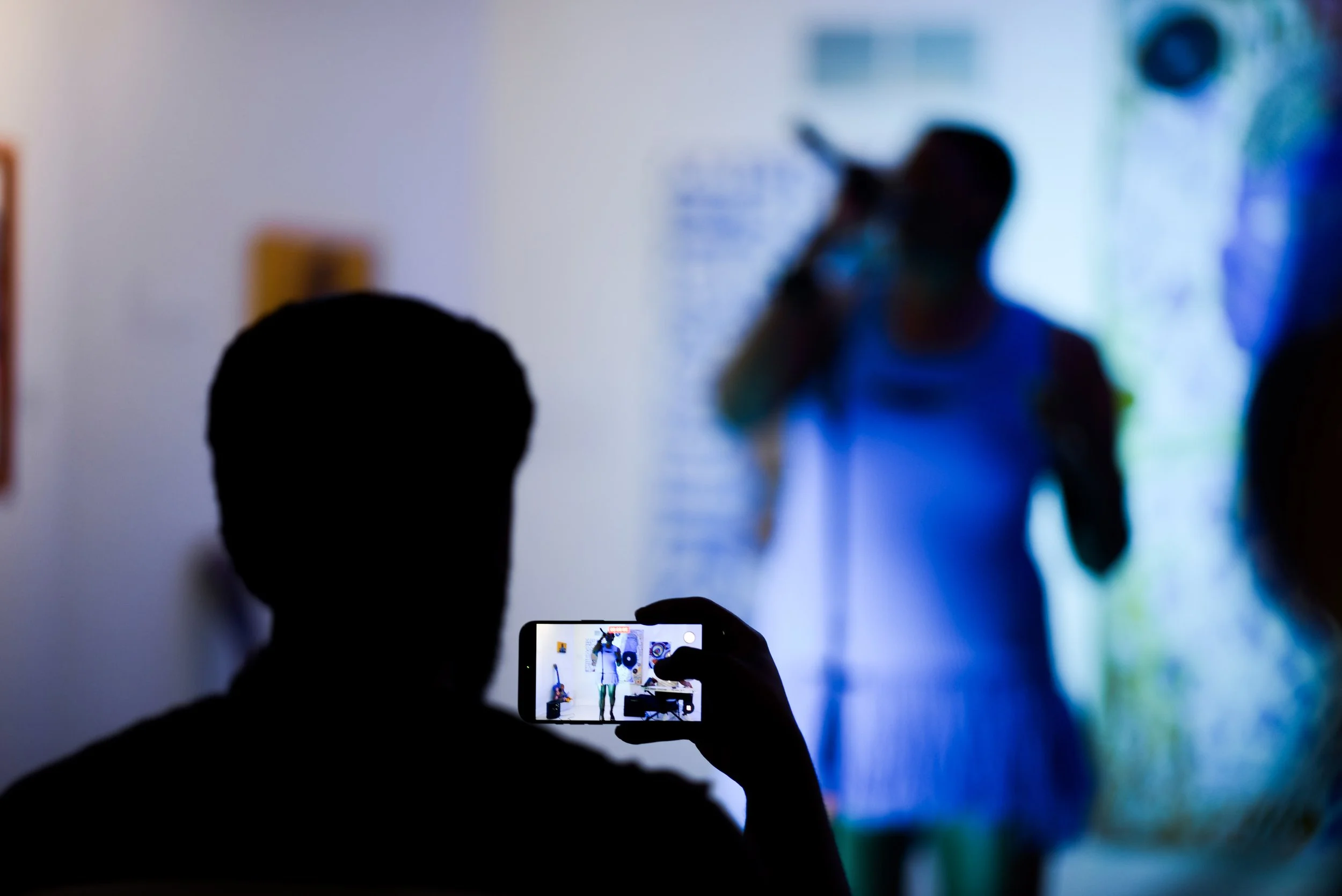
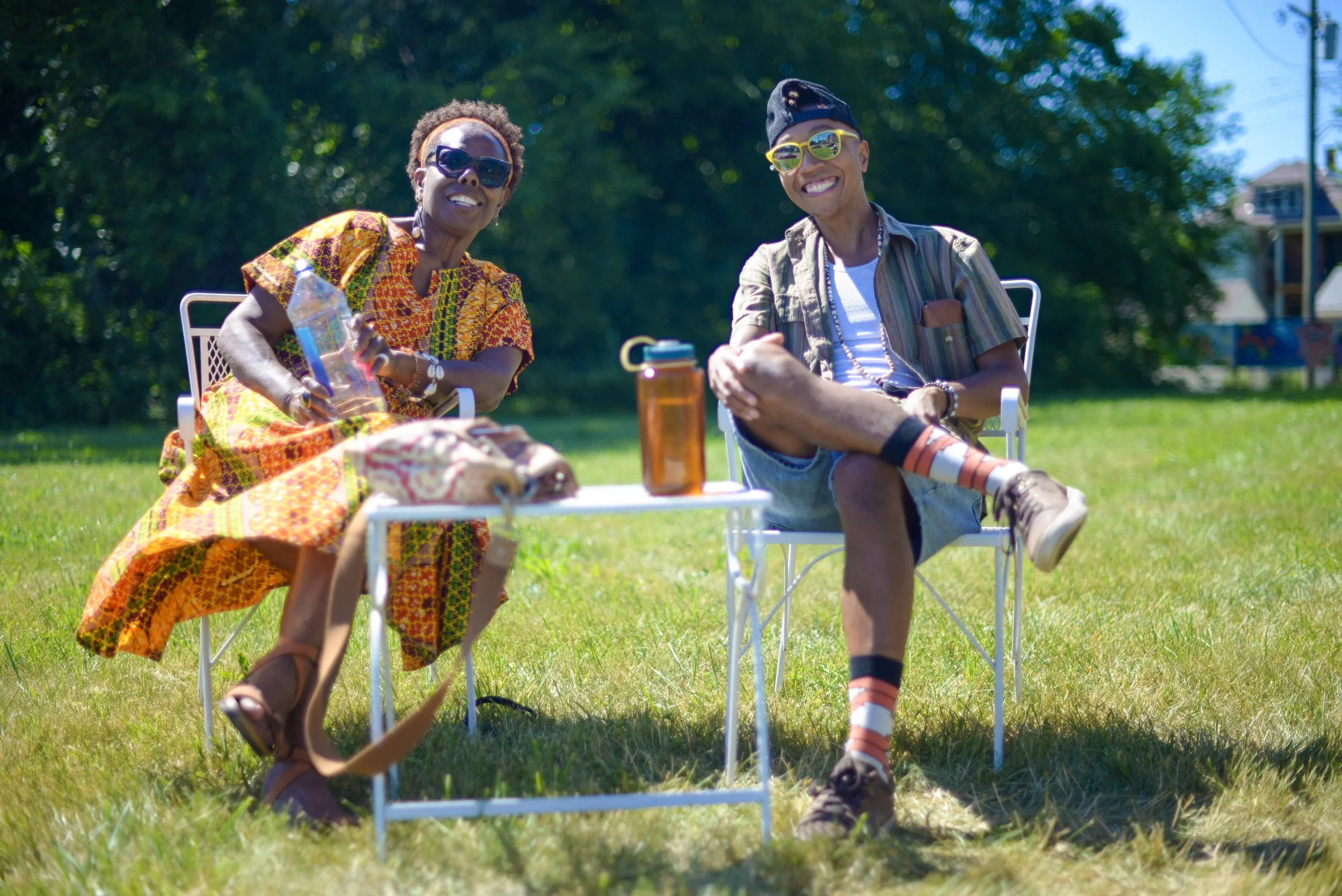
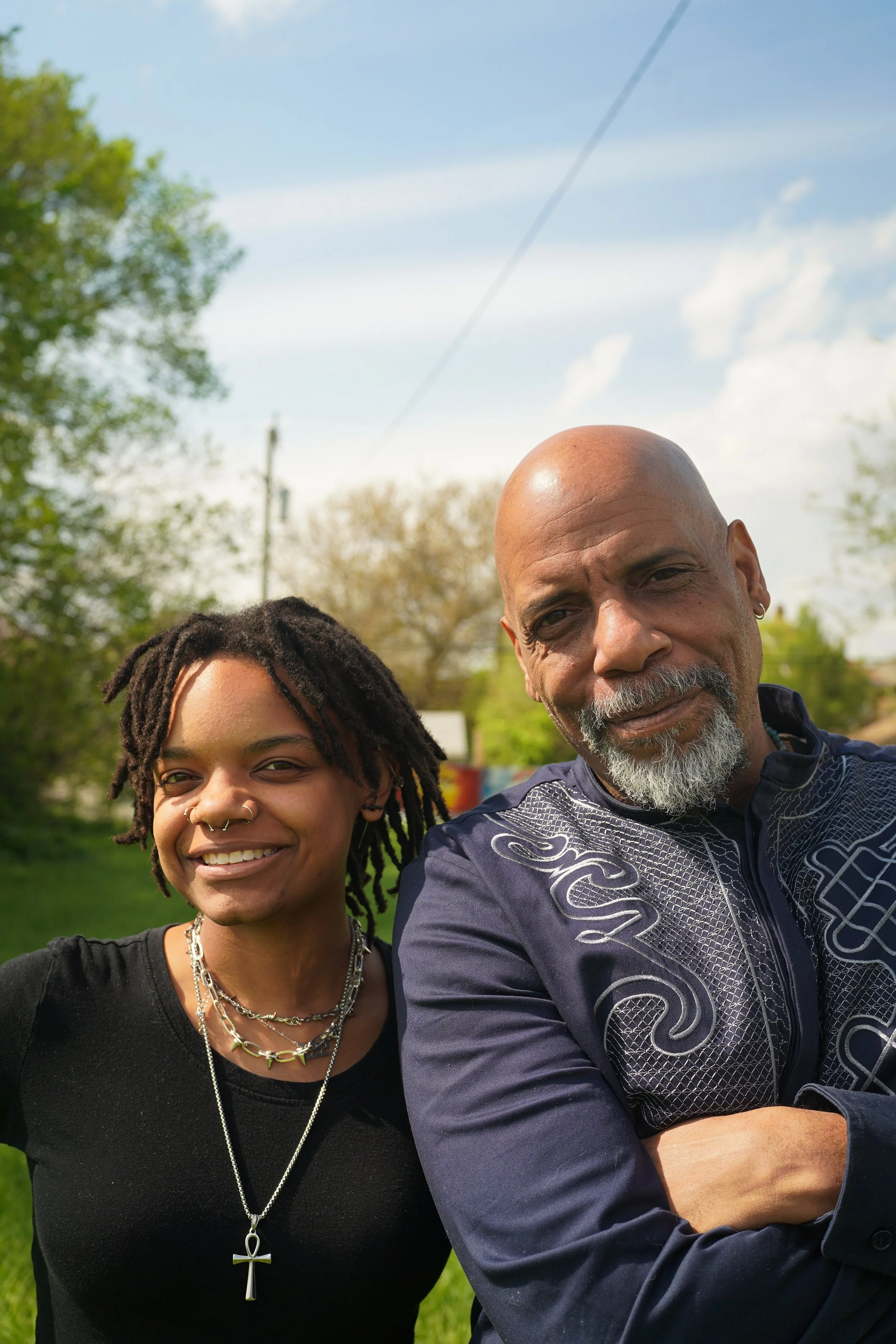
Baba Juke™ is currently building a growing oral history archive documenting music dads and daughters across Detroit’s creative community.
To date, the project has documented 11 in depth interviews with fathers and daughters reflecting on their musical relationships and creative journeys.
The project is currently in conversation with 31 additional music dads and daughters, continuing to expand the archive.
Each interview contributes to a larger cultural record that includes
Recorded oral histories
Portrait photography
Personal artifacts and memorabilia
Musical reflections and recorded sound
Stories exploring the intersection of family, creativity, and cultural tradition
As the archive grows, it becomes a living record of Detroit’s musical lineage told through the voices of families themselves.
Notable Participants and Contributors
The Baba Juke™ archive includes musicians, educators, DJs, poets, and cultural leaders who have contributed to Detroit’s creative ecosystem.
Participants include:
Erin Whitsett, saxophonist, musician, and educator
Gaylynn McKinney, founder of Women Who Drum
Greg McKenzie, director of Alkebulan Village
Heru House and Isis House, DJs of Ama Detroit
One Single Rose, poet and singer songwriter
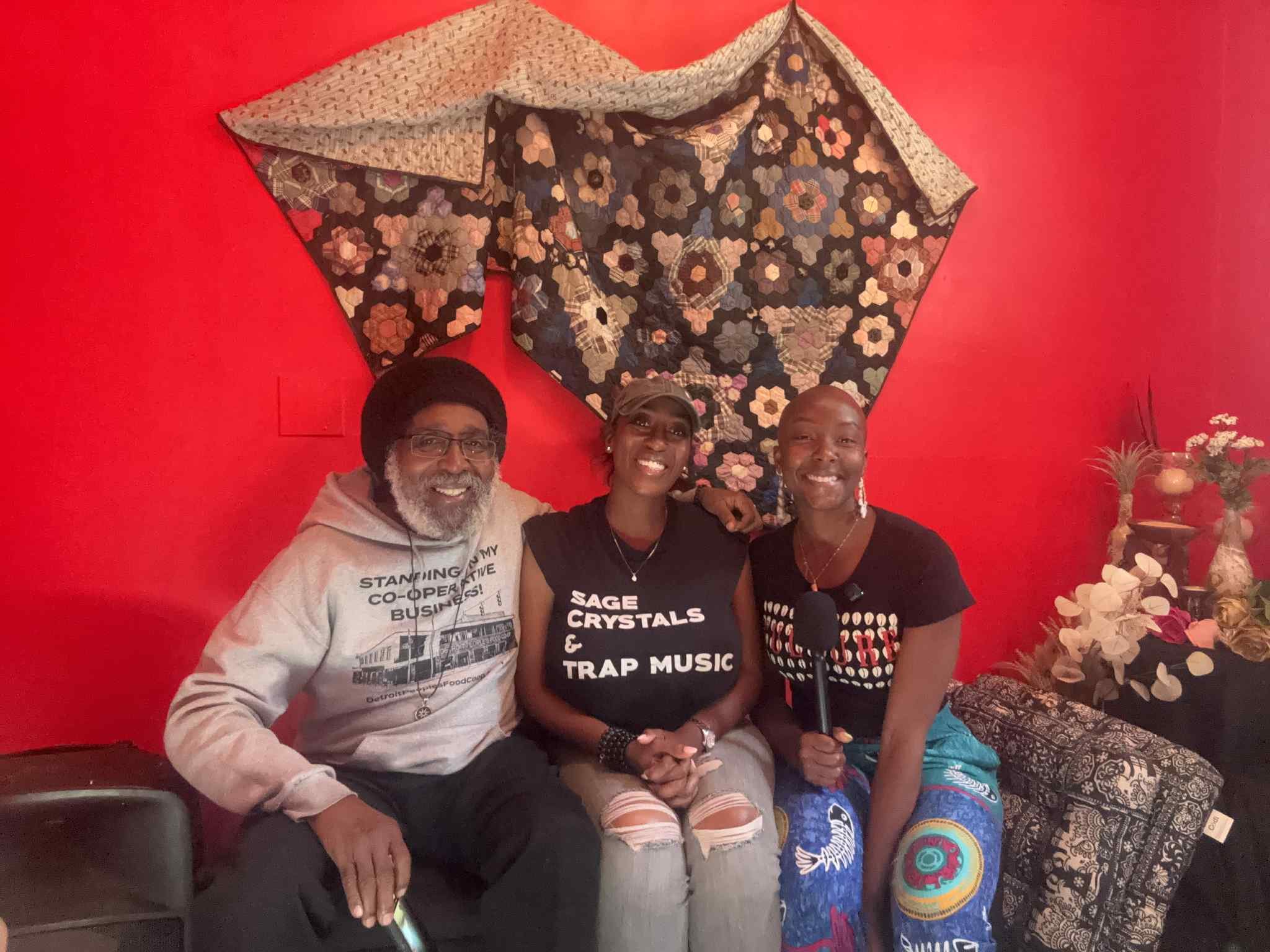
Malik Yakini, musician, guitarist, and co founder of
Detroit Black Community Food Sovereignty Network and Detroit Peoples Food Co op
Katia Wright, DJ of Detroit House Collective
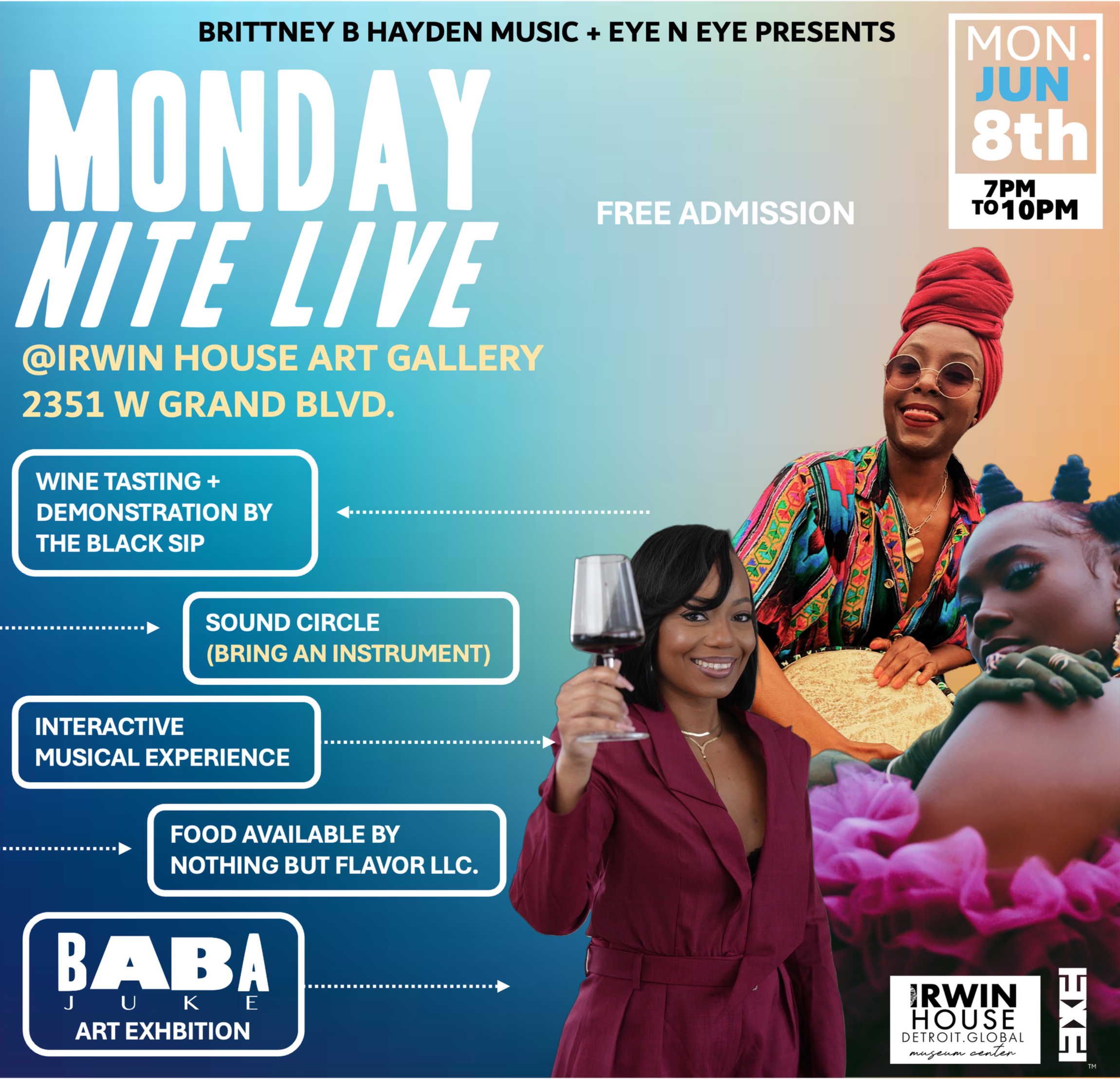
Brittany B Hayden, singer songwriter and Motown performer
RES1, singer songwriter
Charity Ward, singer songwriter
Aisha Ellis, instrumentalist and drummer
Cecile also known as Supercoolwicked, musician and multidisciplinary artist
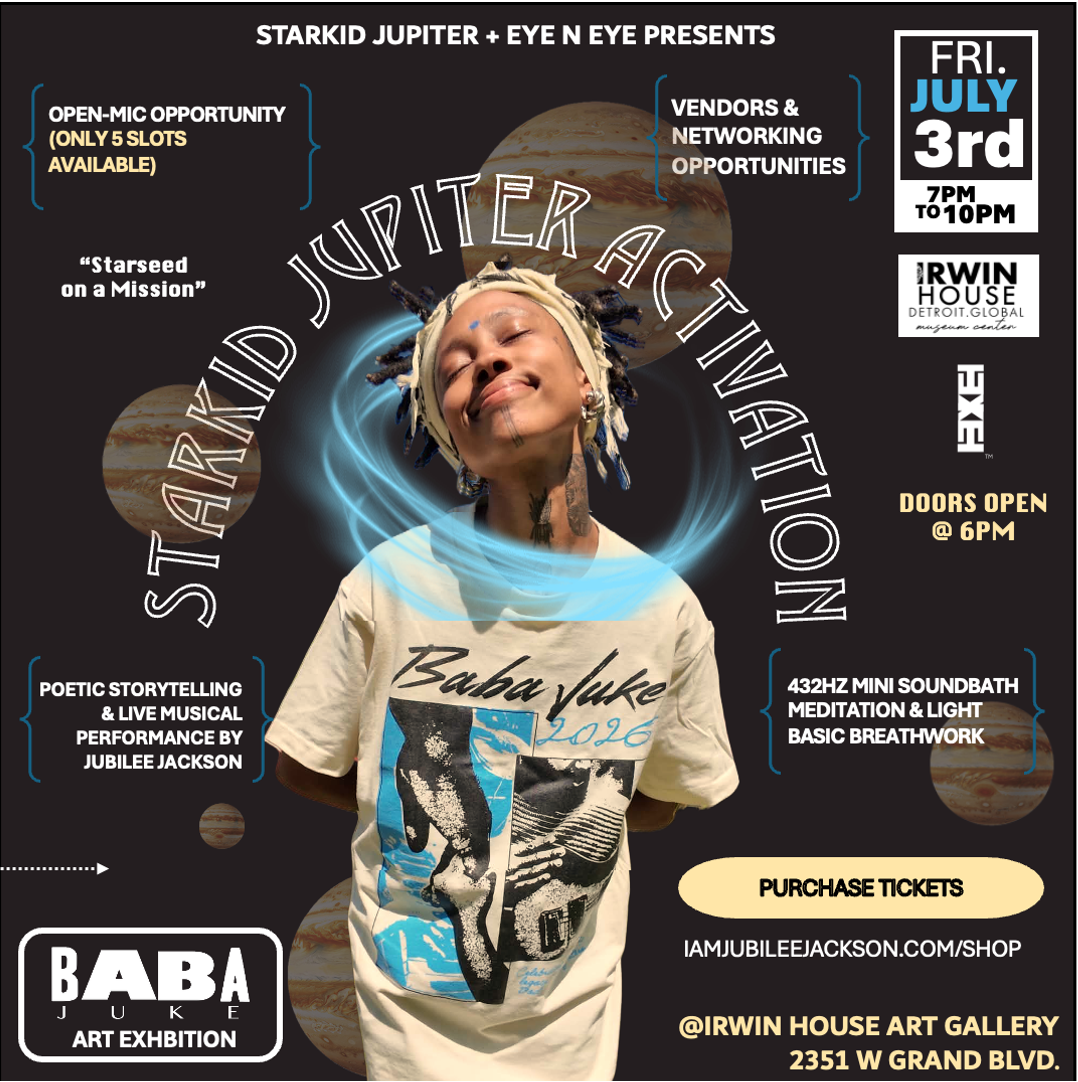
Jubilee Jackson, singer songwriter
Bryce Detroit, artist, griot, and creator of Entertainment Justice and Hood Closed to Gentrifiers
Robert Nash, instrumentalist and co founder of Moon Dog Café
Imani Maat, African dance instructor and musician
Additional music dads and daughters continue joining the archive as the project grows.
Storyholding Framework™ in Action
Baba Juke™ is guided by Brittini Ward’s methodology known as The Storyholding Framework™, a practice that treats stories as living cultural materials requiring care, reflection, and responsible preservation.
Rather than simply collecting interviews, Storyholding centers the process of listening, tending, translating, and returning stories back to the communities they come from.
Within Baba Juke™, the framework shapes how interviews are conducted, how materials are archived, and how stories are shared publicly.
Stories gathered through interviews are carefully documented and preserved before being translated into exhibitions, workshops, and public storytelling experiences.
Through this approach, Baba Juke™ becomes more than documentation. It becomes a process of cultural care.
Stories are not only recorded but honored, reflected upon, and returned to the community in ways that strengthen collective memory.
Community Education and Workshops
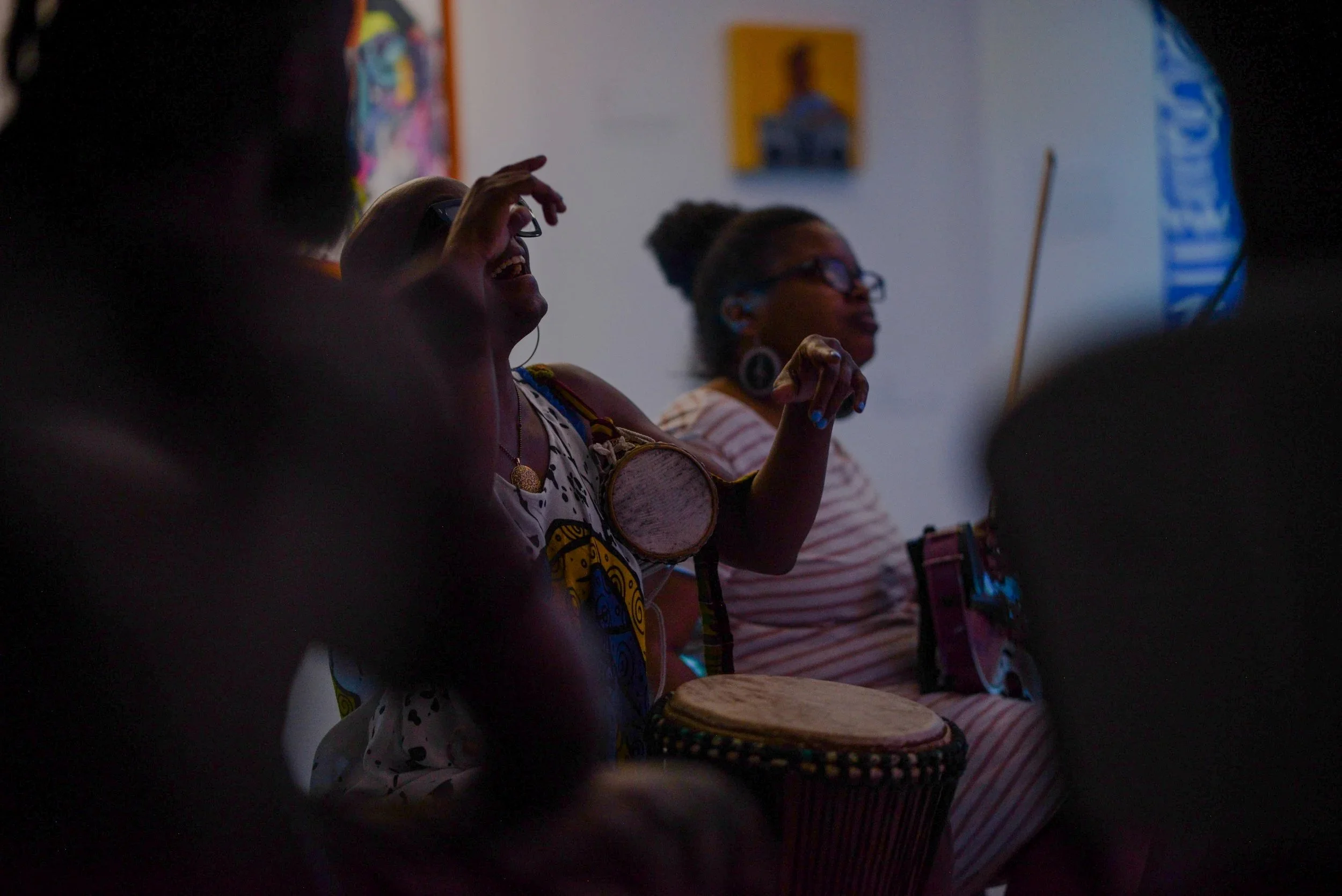
Baba Juke™ extends beyond the archive through a community education initiative titled Baba Juke: The Sound of Us.
Developed in partnership with Brilliant Detroit, the program invites everyday fathers and daughters to connect through music, storytelling, and creative reflection.
Participants explore the role music plays in their relationships while contributing their own stories to the expanding Baba Juke™ archive.
These workshops transform the project from documentation into active community engagement, creating space for reflection, healing, and intergenerational connection.
Exhibition and Presentation
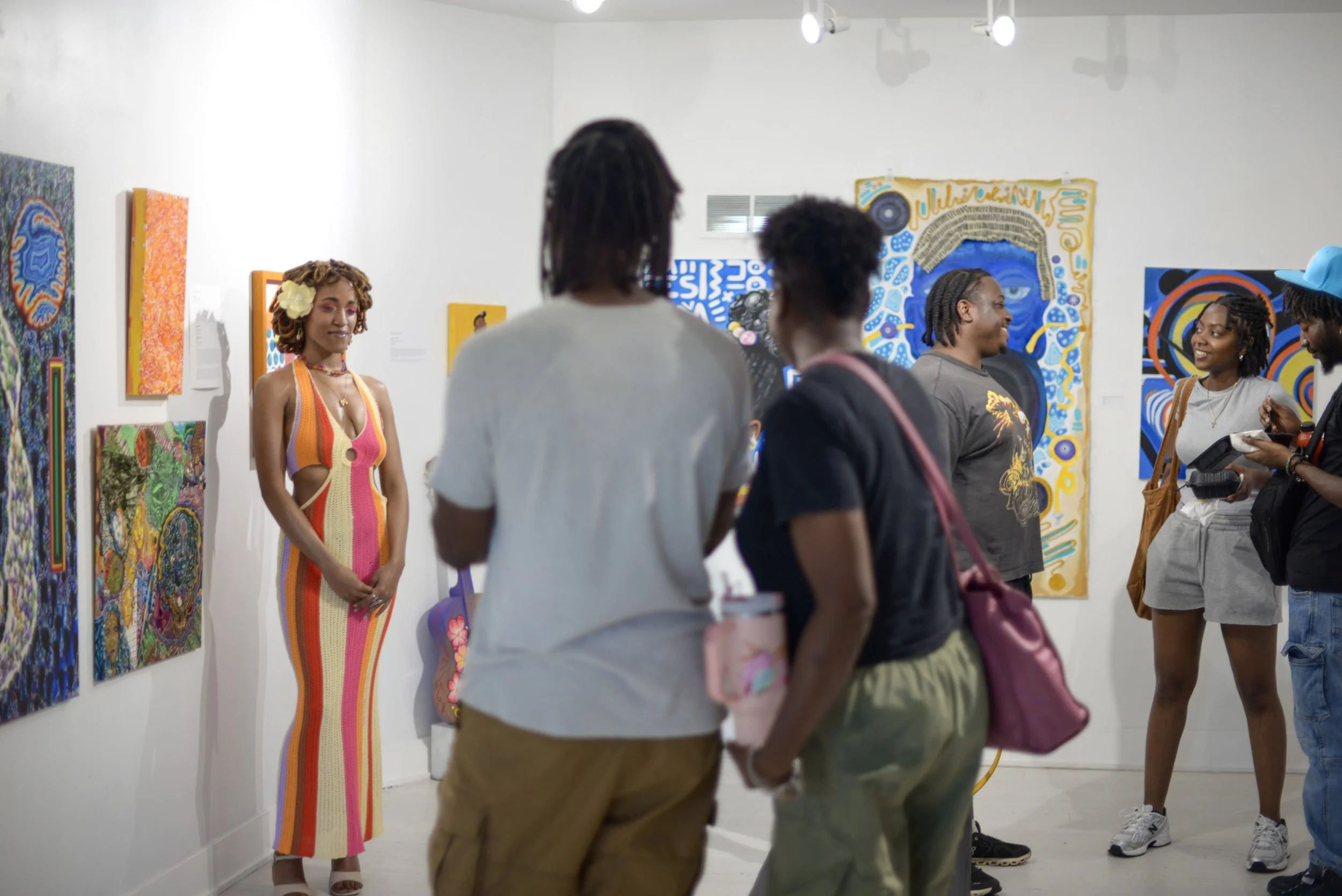
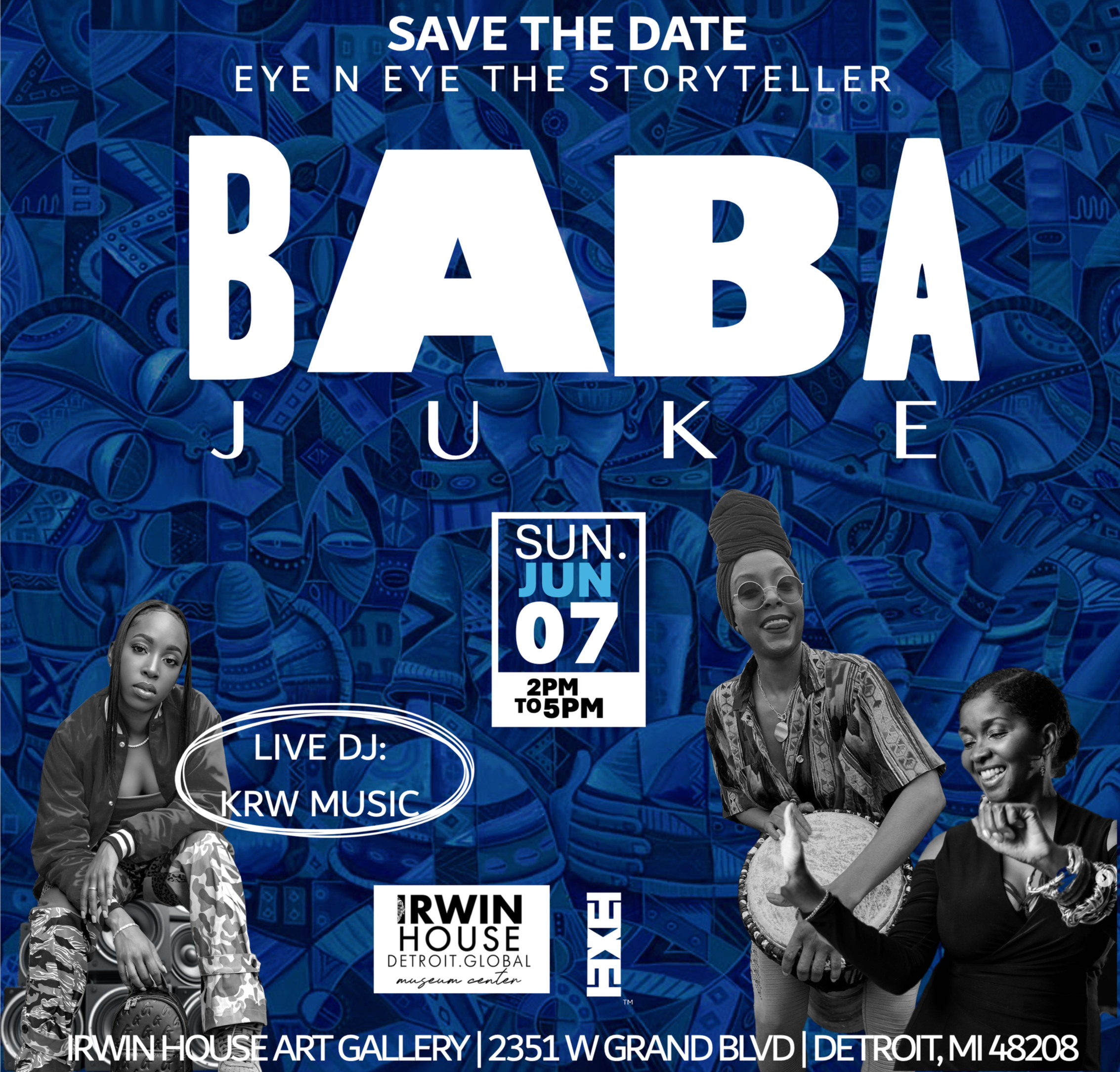
The first public presentation of Baba Juke™ will take place at Irwin House Art Gallery in Detroit, curated by Omo Misha and Brittini Ward.
Opening in June 2026, the multimedia exhibition will feature
Oral history interviews with music dads and daughters
Documentary photography of participating families
Visual artwork exploring musical legacy and cultural memory
Musical artifacts and personal memorabilia
Sound installations and recorded music
Stories exploring how music shapes identity across generations
The exhibition opens during a culturally significant time of year including
African American Music Month
Juneteenth
Father’s Day
Men’s Mental Health Month
Positioning Baba Juke™ as both a cultural celebration and a reflection on fatherhood, music, and legacy.
Funding and Support
Baba Juke™ and the workshop initiative Baba Juke: The Sound of Us have received support through
Culture Source Creators of Culture Grant
Wayne Metro Community Beautification Grant
These grants support community workshops, artistic collaboration, and neighborhood based cultural programming.
Additional support from artists, families, and community partners continues to strengthen the project as the archive grows.
Legacy and Sustainability
Baba Juke™ is designed to grow as a long term cultural archive documenting the musical relationships between fathers and daughters.
The project will continue expanding through new interviews, exhibitions, and community storytelling programs.
Future phases may include digital archives, traveling exhibitions, publications, and expanded community workshops.
Through this work, Baba Juke™ ensures that the musical traditions, family memories, and creative mentorship carried by music dads are preserved for future generations.
As Ward reflects, “ These stories are not just memories. They are living legacies. Baba Juke™ exists so that the influence of music dads and the daughters they inspired will never be forgotten.”
Projected Impact
When fully realized, Baba Juke™ will:
Preserve the musical relationships that shaped generations of Detroit artists
Document the cultural role of fathers within creative traditions
Create an evolving archive of oral histories, artifacts, and musical memory
Strengthen relationships between fathers and daughters through creative programming
Expand Eye N Eye™’s mission of transforming storytelling into cultural preservation and community memory
Baba Juke™ stands as both tribute and archive — a living record of how music moves through families, shaping identity, artistry, and legacy one story at a time.